Thursday, August 01, 2013

Courtship

Source: http://images.fineartamerica.com
Again Claude steps up and helps immediately after seeing Trudy. What does her mistake of calling him Gar do to affect him so much? How does that affect Edgar? Herself?
Why does Claude come when Edgar has already left for school and leave before Edgar arrives back home?
How is it possible that Edgar has had this bruise on his chest -- presumably for months -- yet he hasn't noticed it until Trudy makes him unbutton her shirt for her?
When Trudy talks about not wanting to try another pregnancy after her last miscarriage, what point is she trying to make?
How does the setting change in this chapter? What does the new setting symbolize?
What do you think is causing the dogs to bark in the middle of the night?
Edgar sees Claude's car at 1:30am. He must know he is sleeping with Trudy. Why doesn't he comment on this?

Epi's Stand

Source: http://www.dobermantalk.com
Claude immediately takes charge of the situation with Epi upon his arrival. Why hasn't he come out before this to help? Why did he feel that he needed to be asked to come?
We get a flashback to a darker day in Claude's history. After reading about his vet days and dog fighting connection, how believable is his earlier story about Gar's dog fighting past?
There is no doubt that Claude is exceedingly helpful in this chapter...gentle and caring with the injured dogs. Why is the flashback to the dog fight included in this chapter then?

The Fight

Source: http://nausetkennels.com
Why does Trudy appear to be angry when the doctor suggests that Edgar go to stay with Claude? Do you think she maintains that anger by the end of the chapter?
The book states that Edgar "stood memorizing her features under the yellow lamplight." Why do you think he does this?
What is troubling about Edgar's dreams?
Why does Edgar get so careless with his chores, so careless that it ends up causing a fight that injures 3 dogs and Edgar himself? He knows how important his job is, and he wants to help his mother, so where does he go wrong?

Almondine

Source: http://retrieverman.files.wordpress.com
Again the narrator gets inside Almondine's head. Why do you think the author included this chapter? What does it add to the story?

Lessons and Dreams

Source: http://farm6.staticflickr.com
What lesson does Finch teach Edgar and Trudy? Why is this an important lesson?
In your opinion, is Dr. Papineau concerned about the kennel business because he is a friend or because he has an investment in it? Support your answer.
The narrator states that the letters from Brooks were a "puzzler to be solved." What is it a puzzle of? What needs to be solved?
What is compelling about Brooks' arguments? Why do you think the arguments were ignored?

Tuesday, July 30, 2013

The Letters from Fortunate Fields

Source: http://www.goldstar-germanshepherds.com
What makes packing up the clothes of a deceased loved one so difficult? What does this scene indicate for Trudy? How long since Gar's death is this scene taking place?
What is wrong with Edgar's game of trying to see if the orchard trees will stand motionless? Why does he bother with this game?
In their discussion about the future of the kennels, Trudy is a little hard on Edgar --hard but honest with him. What is she trying to do here?
I wonder who the little girl is who makes Edgar feel like he knows her...
What is so important about the records on the dogs and the letters from Brooks? What do they do?

Monday, July 29, 2013

Part 2: Three Griefs -- Funeral

Source: https://sphotos-a-ord.xx.fbcdn.net
Dr. Papineau is extremely helpful. Besides possibly burning the house down, what else do you think he means when he tells Trudy they need to be careful right now?
How do you think their news affects Claude, especially since he left on such poor terms with his brother?
Why do you think Glen kept asking about whether people could be heard by someone in the mow? Do you think Glen is digging for something during the interview? What questions of his might make you think that?
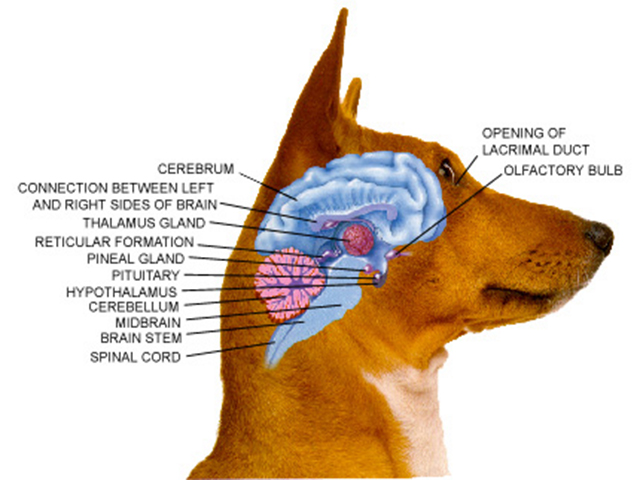
What is the Circle of Willis? What all does it control?
Trudy brings up the idea of being scared. What do you think they would be scared of now that Gar is dead?
Explain what made Gar's funeral so powerful, then explain how that came to happen (your best guess).

Sunday, July 28, 2013

A Thin Sigh

Source: http://livingingreece.gr
How would you describe the relationship Edgar and his mother have? How does that relationship help heal the atmosphere after the fight between Gar and Claude?
It is inconceivable how frustrating and painful it must have been to not be able to talk into the phone to the operator. What could Edgar have done to communicate the emergency over the phone?
Can you make any connections between this chapter and Extremely Loud & Incredibly Close?

Essence

Source: http://www.antiquetractors.com
What do you think of Edgar's naming process and the names he chose for the pups? Do any stand out to you? Why?
The tension between the two brothers intensifies in this chapter. It seems like Claude can make Gar explode in a moment, bringing out Gar's hot temper very quickly. If you had to guess based on what we've read so far, what is the real source of this tension?
The time of year is critical to the setting of literary works. What time of year is it, and what does that symbolize? What might it foreshadow?

The Litter

Source: http://www.freewebs.com
Edgar is given a huge responsibility with Iris's pups. have you ever been given a responsibility of equal worth to Edgar's (or close)? Tell your story.
Nearly the entire chapter is just between Edgar and his father and the dogs. What do you think the purpose of this chapter is in the larger plot?

Saturday, July 27, 2013

The Stray

Source: http://www.rileysplace.org
Why is it significant that Claude carves a turtle into the soap?
You should note that the walk described taken early in the chapter was taken in the fog. What does fog represent or do in a story? How might this scene of spotting the stray dog be significant? What would be the difference between spotting the dog in the fog versus spotting the dog in bright sunlight?
Noting how Edgar's father treats strays in general -- and this particular stray, specifically -- what do we learn about him as a person?
How is Claude's view of the stray different? Where does Trudy lean on the subject -- more towards Gar or more towards Claude? What do their beliefs about strays tell you about them as characters?
Claude tells Edgar the story of Forte. Edgar doesn't believe it. Do you? Explain with details from the story to support your stance.
Edgar reads a section from The Jungle Book. What is the significance of the selection as it relates to this point in the story?
What problem does the silent pact between Claude and Edgar present for Edgar?

Every Nook and Cranny

Source: http://www.flickr.com
What is significant about the silent trip down the stairs? What is ironic about Edgar's desire to make it down without a sound?
Trivia: Why would someone tape pennies to the needle arm of a record player? Ask your parents...
They have photos of every dog they have raised, but not one of themselves. What does this fact tell you? How is it related to Extremely Loud & Incredibly Close?
Based on the scene when Claude first returns, what is the nature of the relationship between Gar and Claude? What details accentuate the nature of that relationship?
What do you make of Edgar's dream from the first night Claude was home? What could it mean? What is its tone in the beginning as opposed to the tone it ends with?
From the context clues, where has Claude been? What clues led you there?
What kind of person would you say Claude is? What leads you to your conclusions?

Edgar

Source: http://www.redbubble.com
Edgar's first memory is of Almondine checking him out in the crib. How does the narrator know this? What does this fact suggest about Edgar?
The chapter starts with vignettes from Edgar's early years. Are there common threads between any of the stories?
The last vignette ends by telling us that often Almondine runs ahead, and often she is waiting for Edgar. What does that fact suggest?
Edgar's father says that the iron in the ground draws lightning. Tuck this away -- it may become important in explaining how the setting of the novel (the beginning of the Iron Range) is significant...include the facts about hot lightning and cold lightning when you think about this.
Why do you think the author chose not to use quotation marks when Edgar speaks?
Look more into what the Weller Method of predicting tornadoes is all about...if for no other reason, you may just learn something you can use when you make it on the game show Jeopardy.
What does the storm do to inform us about the characters?

Signs

Source: http://www.fanpop.com
"They clung to that certainty: for a while, at least, it didn't matter what in him was special and what ordinary. he was alive. What mattered was that he opened his eyes every single morning. Compared to that, silence was nothing." Why is this such a poignant passage? What makes speech so important to us?
Ida Paine...interesting name. Ida is described as being an oracle. What is an oracle? Do you know of any famous oracles, and if so, how are they like Ida?
What is eerie about Louisa Wilkes appearance at the Sawtelle farm?
Why is communication so important to humans? What does it do for us beyond expressing our basic wants and needs?

Almondine

Source: http://attackofthecute.com
Outside of the content of this chapter, focus on the point of view. It is the point of view of Almondine, the family dog, but the point of view is filtered through the narrator. What problems might this narration cause? What benefits might this narration have? Who is the narrator of this chapter? [Not exactly, but what type of character might the narrator be?]

Part 1: Forte's Children -- A Handful of Leaves

Source: http://indianapublicmedia.org
Who is the narrator? Something to consider throughout the novel...
If it were possible for a piece of property to have karma based on its history, what kind of karma would the Sawtelle property have based on the brief story of Schultz?
What character traits do you notice about John Sawtelle that make him charming and interesting as a person?
What does it suggest about Edgar's parents that they keep their important papers in in old ammo box?
What exactly is Mendelism? What are some of its interesting ideas?
Where is this part of the story set? Why is this a good setting for such a story?
What about Edgar's parents' relationship stands out as important to you? What makes the relationship vital?
The story of the still birth and the baby wolf are terribly sad, but the narrator states that perhaps there was some consolation. If so, what would that consolation be?

Prologue

Source: http://sistercities.lacity.org
Note the time difference between this chapter and the first chapter, remembering that time is a part of setting, too.
The main character of this chapter is in the navy. Is it significant that he crossed the Bridge of Woes?
He's looking for a sign depicting a turtle and two snakes, one of which is set to strike at the turtle's tail...what might that image symbolize?
Why does the old man think that the main character is there, initially?
Why is it significant that the old man kills a dog to prove the potency of his potion?
So the big question is this: Who is this man, and what is he going to kill with the potion? Again, note that it's 1952.

Epigraph

Source: http://www.smithsonianmag.com
The quote at the beginning of a book is called an epigraph. Epigraphs are included for a number of reasons. They can be used to act as a preface to the book, they can be used as a summary, or they can be used as a counter-example to the text that follows. Epigraphs can also connect the book to other classic literature, either to compare the work with the classic literature or to use it to put the work in context with previous classic works.

The quote included at the beginning of this book is from Darwin. What do you think this epigraph is being used for?

Monday, July 22, 2013

Take a brief but well-deserved break...

Source: http://2.bp.blogspot.com

Time's Up...Again...

Take a deep breath and prepare for our next novel...posts for that will begin to show up tomorrow...

Saturday, July 13, 2013

Some Additional Questions About the Book as a Whole

Source: http://www.centralparksunsettours.com

Do you find Oskar sympathetic or annoying? Or both?
Oskar "plays Yorick" (the long dead jester whose skull Hamlet holds in his hand!) in a school production. What is the significance of that role?
Jonathan Safran Foer has said that he writes about characters and their miscommunications: some characters think they're saying a lot but say nothing; others say nothing but end up saying a lot. Which characters fall into which category in Extremely Loud? What might Foer be saying about our ability to communicate deep-seated emotions?
Do you see this book as a work of realism (in which case the mother's role would matter) ... or as more of a fable? If the latter, what is Extremely Loud a fable of?
Do you find the illustrations, scribblings, over-written texts, etc. a meaningful, integral part of the work? Or do you find them distracting and gimmicky? Why are they there?
How do both main plot and subplot (Oskar's grandfather and the bombing of Dresden) interweave with one another?

What do you think is the significance of the novel's title? 
Who was your favorite character? Why?   
Were there any passages or scenes that you remember well or particularly liked?
Any comments about the way the book ended? 
(Source:  http://www.galesburglibrary.org)

Which Beatles reference makes the greatest impact in the novel? How would you explain their centrality in the Schell household?
How does Mr. A. R. Black's deafness contribute to the storyline?
Which of Oskar Schell's inventions would you most like to see implemented and how would it work?
Which of Oskar Schell's phobias seems the most debilitating and how?
What do Dresden, Hiroshima, and 9/11 share in common? How do they differ?

Beautiful and True

Source: http://scrapetv.com

What is so important about the interaction between Ron and Oskar?
Why is Oskar so interested in Gerald's daughters and his relationship with them?
What does Oskar mean when he refers to digging up his dad's coffins as "a simple solution to an impossible problem"?
Why isn't his mom angry or curious about his late night trip to the cemetery?
His mother tells him that his dad had called her. What does this do for Oskar? Why doesn't he share with her about the messages he hid from her?
What does Oskar's reversal of the pictures and the imagined reversal of time remind you of?
The chapter was entitled "Beautiful and True". What is beautiful and true about this chapter?

My Feelings

Source: http://www.acting-man.com/blog
Oskar's grandma says something interesting when he offers to get her magazines like he used to do: "I told him to bring a suitcase so he could come back with one of everything." She follows this up by stating: "I wanted him to be able to take his things with him." What does this reveal?
What parallels do you see between the reactions she has when the grandfather is thinking of leaving and those she has when she is leaving her father to die?
What is the significance of her dream that is interspersed here?
Why didn't she say anything to him before about him seeing Oskar?
Why does he bury the letters?
What message is this chapter (which is a letter to Oskar) trying to get through to Oskar?

A Simple Solution to an Impossible Problem

Source: http://pummeler.com
Notice the parallel between Oskar's thoughts on not knowing when the "last time" would be and the thoughts on this in the previous chapter. What is significant about this?
Where does Oskar think Mr. Black is? Why is this significant? Where do you think Mr. Black is?
Why doesn't Oskar's mother care about Oskar going all over New York city at night? If his mother knew what he was doing all this time, what is her motivation for not talking about it with Oskar? What is significant about her involvement in contacting everyone before Oskar even arrived?
The phrase "incredibly close" shows up twice in this chapter...the phrase "extremely loud" shows up once...
Why is the picture of the back of a man's head included in the chapter?
William Black's father wrote letters before he died -- a lot of them. Letters show up a lot in this novel -- some sent, some not sent. Why do you think the author uses letters so much in the novel? What do they represent?
Why do you think Oskar didn't want to go to the bank with William? Why do you think he told William the story about the last message? Why is it so critical that he finally told someone?
What is significant and powerful about Stephen Hawking's letter and the timing with which Oskar receives it?

Why I'm Not Where You Are 9/11/03


Source: http://2.bp.blogspot.com

What did you make of the way this chapter was started?
What is different about this door knob?
Why does Oskar's grandmother allow Thomas back into her life?
The code using telephone pad numbers may have thrown you. Here is a comment I found on the internet concerning this code: 

“On behalf of my English classes, I wrote to Mr. Foer’s agent several years ago, asking about the number code in ELIC. He was kind enough to respond personally; regretting the time my students had spent decoding, and admitting that the numbers can’t be deciphered. He did say that in a way, this is consistent with the theme of people trying to communicate and failing, but the numbers themselves are more or less random, with a few exceptions. I hope this helps.”

If you do a search for this decoding, you will find that many have tried and have only been able to decode bits and pieces. I think the explanation above will suffice, so don't kill yourself trying to decode it. If, however, you do find a way to decode it, by all means share what you decoded.
What do you find interesting/confusing/disturbing about Oskar's grandmother's behavior towards "the renter"?
It makes sense that Thomas (Oskar's father) wanted to meet his own father...but why did he see him only once after he had found him? And why is Thomas' father still writing letters to him?
If it was Simon Goldberg in the bookstore, why would he simply hug Oskar's grandfather and then run away?
Why do you think Mr. Black never told Oskar about his grandfather?
What do you think about those last few pages that get more and more dense with typing?

Friday, July 12, 2013

Alive and Alone

Source: http://ephemeralnewyork.files.wordpress.com
I think it's the first time I've seen the phrase "extremely loud" in the book. In this case, it's pessimistic thinking that is so loud in his mind...not sure where that will lead...
Why are all of the envelopes empty?
Great description: "He was on one kind of carpet, I was on another. The line where they came together reminded me of a place that wasn't in any borough." Why is this such good description?
Why is Oskar's grandfather so reticent to tell Oskar who he is?
What do you find interesting about Oskar's visit with Georgia Black?
Why does he think of another letter from Stephen Hawking at this point? How is this significant?
Why does Oskar give himself a bruise at the coffee shop?
For the first time I see the phrase "incredibly close."
Why do you think Oskar has done so much research on 9/11?
It interests me and saddens me how much life has changed since 9/11...Oskar's fears at the Empire State Building would not have been fears before that attack...
I never knew a plane had crashed into the Empire State Building...or that it was built with moorings for zeppelins...
What is the heart of the story about the Empire State Building guide, Ruth? Why is it an important story?
How is it that Oskar doesn't know this is his grandfather, even though he gives the reader so many clues?
End of chapter -- "loud and close" again...

Tuesday, July 09, 2013

My Feelings

Source: http://images.nationalgeographic.com
Why is the interview with the father of the missing girl so important to this story?
There's a shift in the conversation...she starts off the story by referring to Oskar as "you"...then she shifts and says "I wanted to turn to face him, but I couldn't. I moved my hand to touch his hand." Assuming that this is not an oversight, why would she switch how she's telling the story (from telling him the story to telling us the story)?
Why is the sound that Oskar makes at the cemetery so important to his grandmother?
Why is Oskar's grandfather apologizing...or what is he apologizing for?

The Sixth Borough

Source: http://4.bp.blogspot.com

Why does Oskar's father tell him the story of the Sixth Borough? What is the moral of the story here? How does it tie in with Oskar's earlier search in Central Park?

Why I'm Not Where You Are 4/12/78


Why has this chapter been marked up in red? What does that tell you?
So Oskar's grandfather had gotten Anna pregnant before the bombing of Dresden. How does this change your view of him and his behavior when he gets the news that Oskar's grandmother was going to have his baby? 
While he's in the hospital after the bombing of Dresden, Oskar's grandfather says he was operated on, but it was the nurse's touch that saved his life. Why do you think he says this?
He says that "thousands of people were left to suffer hope." What does he mean by this?
How does this letter to Oskar's father change your view of his grandfather, if at all? 
Simon Goldberg writes his grandfather a brief letter. Goldberg is an actual figure in history...you may want to find out a little about him...and think about how this letter may have affected Oskar's penchant for writing letters to famous people.

Monday, July 08, 2013

Happiness, Happiness

Source: http://kowb1290.com
A very graphic, first-hand description of the atomic bomb attack on Japan. What is significant about Oskar's choice to share this with the class? How is it connected?
How does the story of Buckminster fit in on a deeper level?
Why do you think Stan pulls his hand back from Mr. Black when they are introduced?
There are some good sections that highlight the generation gap between Mr. Black and Oskar.  Which ones did you notice, and how do they help build the characters or the story?
Why does Oskar insist on finding out if Agnes Black had any kids? Is Mr. Black lying about the answer? If he is, why would he do that?
What do the letters from Gary Franklin and Jane Goodall tell us about Oskar? What does this second response from Stephen Hawking tell us?
Oskar states that he sometimes thinks that the key opens everything. What has it opened so far?
What do you learn about Oskar from his session with the therapist? What do you learn about his mother from the choppy conversation that Oskar eavesdrops on?
Why does he listen to his father's message when he gets home from his therapy session?
The chapter is titled "Happiness, Happiness." Why?

My Feelings

Source: http://theempire.hubpages.com


Oskar's grandmother states, "He never took pictures of me, and we didn't buy life insurance." What does this statement tell us about the character and their relationship?
When did his grandma move? Where did she move to?
Why is it so important that Oskar's grandfather's hands didn't lose their roughness? What caused them to remain coarse?
Her mother's pearls are mentioned a few times. Is this significant? If so, why? Explain.
Why was she thinking of shoes?
"He promised us that everything would be ok. I was a child, but I knew that everything would not be ok. That did not make my father a liar. It made him my father." What is the significance of this quote? What does it tell us?
While helping her to learn about makeup, her mother cries. Why?
Why does Oskar's grandmother get rid of all the pers from the apartment?

Heavier Boots

http://www.patriciajamann.com

What do you think compelled all of the Blacks to show up for Oskar's play?
Why does Oskar fantasize such a violent ending to Hamlet?
I wonder if The Cyclone is still standing after Hurricane Sandy...just wondering...
Oskar ends his Saturday with Ada Black by saying it was depressing. What do you think was so depressing about it?
Oskar has a growing list of cultural history created from old Mr. Black's stories. Anything stick out to you on that list? Any connections between the things on the list? Just wondering what you see or notice...
What is significant about the dates on the rocks?
If you were on one of old Mr. Black's cards, what one word would be next to your name? Tell me why it would be that word.
Why do you think old Mr. Black had turned off his hearing aids? Why do you think he was crying?
Why do you think we get the memory of message Message Three right after his visit with old Mr. Black?
How do you feel about Oskar's interaction with his mom at the end of the chapter? Why do you feel this way?
Oskar goes through a variety of moods in a very short period of time. Do you think these are actual moods, or is he just being dramatic?
Why is this chapter given the title "Heavier Boots"?

Thursday, May 16, 2013

Memoir Guidelines


Do I need a title for my memoirs?
No, you don’t need one, but if you want to title them, that’s fine.

What format should it be in?
The only formatting I am looking for is your name and the class info in MLA at the beginning of the paper. After that, the only formatting I want is for you to somehow make it clear that you are shifting to a new story. You can do this by quadruple spacing between stories or drawing a line.

What font should it be in?
Courier New 10-12 pt. font, or Times New Roman 10-12 pt. font.  Double space the entire paper.

What stories should be in it?
Elementary memory, Junior High memory, High School memory, and College thoughts. The first three should be stories. That last one is ruminations…what are you looking forward to in college? what are you dreading in college? What do you want to get involved in while in college. What new areas would you like to explore? What groups and activities can you see yourself being a part of? What do you need to do to prepare now? What do you need to learn (laundry, keeping a checkbook, managing a credit card, how to prioritize, how to study well…)?

How long should each story be?
Minimum per story is 1 page, so you need to think about whether you need a minimum grade or whether you should try harder…while quality is more important, a good story isn’t necessarily the shorter story (see Life of Pi).

How will my memoirs be assessed?
`1. Ideas and content: Focus on one incident, strong supporting details. An “A” paper will have a very clear main idea/event, stay on topic, be interesting and original, and my supporting details will fit with the main idea.
2. Organization: Logical sequencing, use of transition words, sentences organized into manageable paragraphs. An “A” paper will have ideas that flow, a very strong organization plan, excellent sequencing, well used transitions, and reasonable/clear paragraph breaks.
3. Voice: An “A” paper will show me that you really CARE about this story.
4. Effective Use of Language: Word Choice, Sentence Fluency. An “A” paper will demonstrate accurate word choice, with descriptive and imaginative word choices. It will use figurative language (similes and metaphors, etc.) to make the descriptions more exciting, and the sentences will be varied in structure, Length and style.
5. Conventions: Spelling, Punctuation, Capitals. An “A” paper will show excellent spelling skills, capitalization and punctuation will be well used. Errors will not interfere with the reading of the piece.  Little to no editing, revising, or correcting will be necessary.  

Friday, March 08, 2013

Exam Review for Novels


Shipping News:

What does Petal Bear do with the children once she leaves Quoyle?
What happens to Quoyle’s parents?
Why doesn’t Quoyle want to get a boat?
Who had the Dutch boat previously belonged to?
What quality of Quoyle’s makes him so good at reporting in Ed Punch’s view?
What happens to Quoyle as a result of his writing a feature article on the Tough Baby?
What two things does Jack assign Quoyle to cover?
What is a Home boy?
What did the Gaze Island Quoyles do for a living?
What is in the suitcase that Quoyle opens at the end of this section?
What happened to Wavey’s husband?
How does Wavey make money?
What is the reason that Jack assigned Nutbeem to sexual assault stories?
How is it possible for all of the residents of Nunny Bay Cove to get a new house?
What do all the criminals start doing in order to avoid jail time?
What happens to the man with all the “fancy mainland dogs”?
What did Les Budgel (Alvin Yark’s uncle) build for himself…his last project?
What are Herry and Wavey doing when Quoyle looks in the window?
What does Wavey get for the girls from her brother Oscar?
What is the symbolism found in the person of Jack Buggitt?


Black Boy:

 In the beginning of the book, how does Richard respond to his grandmother’s illness and his mother’s subsequent warning about being good?
Why does Richard give up his job selling newspapers?
When Richard’s Uncle Tom tries to beat him for speaking plainly, how does Richard respond?
When Richard shows his short story to a girl he knows, what is her response?
When Richard refuses to read his principal’s prepared speech at graduation, how does the community respond?
When Richard is bullied by two white men at the optical house, what does he decide to do?
For what reason does Richard keep losing his jobs?

Why do Harrison and Richard agree to fight?
Why does Richard accept baptism?
Why does Richard leave his first job with an optical company?
What does Richard discover in Memphis once he arrives?
Why is Uncle Hoskins killed by white people?
What is Richard's first published story called ?
What does Richard do when Uncle Tom tries to beat him in the back yard?
What religious denomination did Richard's grandmother belong to?
How would Richard's relationship with his maternal grandmother best be described?
How would Richard's adult attitude toward his father best be described?
Why is Richard's grandfather embittered and disappointed?
Why does Richard begin to bootleg liquor in the hotel?         
Why does Richard feel that Uncle Tom has no right to punish or beat him?
Who warns his children not to speak with Richard?
What does Richard's mother do when he tells her that he is hungry?
Before Richard gives his graduation speech, what does he do in preparation?
What is Richard's first impression of Mrs. Moss?   
What is Richard's first attempt at writing about?
Angela’s Ashes:

Why did Malachy and Angela marry?
What does Malachy make the boys do when he comes home drunk?
Where do the McCourts spend the night when they are unable to get money from the war pension in Dublin?
Why are the McCourts strangers wherever they go?
Besides his drinking problem, why does Malachy have a hard time finding work?
What causes young Malachy’s visit to the hospital that results in Frankie’s tonsillectomy?
Why does Frankie perform made-up dances in his parent’s kitchen?
What reward do the students get from Dotty for answering questions correctly?
How does Paddy’s father know Angela?
What kind of an influence does Mr. Timoney have on Frankie?
What Christmas gift does Frankie’s dad bring home from England?
How do the two rooms in Frankie’s house become one room?
What chore does Frankie have to do in order to get the use of Laman’s bike?
Name two instances in which the Church slams the door in Frankie’s face.
Why is Frankie banished from the library?
What predicament occurs due to Frankie washing his clothes?
Why is Frankie so affected by the death of Theresa Carmody?
What job does Mrs. Finucane give to Frankie?
Why does page 16 of John O’London’s Weekly need to be torn out of every copy?
How does Frankie acquire the last bit of money he needs to go to America?

Friday, February 08, 2013

Sample Paper in MLA Format

I was asked to post a sample paper. Here is one from the OWL at Purdue. Click on the link below.
Sample Paper in MLA Format

Deadline Changes

Photo credit: http://vanilla105.deviantart.com/art/Snow-Storm-84995990
Due to the snow/ice closure, I am changing our deadlines. Both the research draft and the Shipping News projects will be due on Tuesday. The test over Shipping News will also be on Tuesday. This will allow for some last minute questions and some review for the test, which I had planned to do today. If you have some pressing questions over the weekend, please email me. I will get back to you as soon as possible.

You're welcome.

Also, I have added some helpful links regarding thesis statements and citing sources on the right side of the blog page.

Sandwich Examples from Class

As promised, here are the examples of sandwiching your source material. I have made the corrections we talked about in class so that you will have solid examples to work with. 


Recently, the idea of teaching students to distract armed suspects has become a controversial issue. The students would be taught to distract and confuse armed suspects by throwing things and attacking them (“National School Safety”). This could prove to be very unsafe.

Many proposals have been made to protect students in a time of crisis. One says that students should be trained to “try to ‘distract’ and ‘confuse’ armed suspects” (“National School Safety”). People have gone into such a frenzy over the Sandy Hook Elementary shooting that they come up with crazy ideas that even the people who were affected by the tragedy don’t like.

With the increase in school attacks, many ideas have been proposed to try to deal with the attacks while they are happening:
                The controversial issues…
                …school settings. ("National School Safety")
Advocates believe that these actions could slow down the attackers until law enforcement arrives.

Though some suggest a possible solution to school safety would be to encourage students to attack a suspect, it is not a popular theory: “Many educators, law enforcement officers, parents and school safety specialists do not support this proposed approach for 'training' students in preK-12 school settings” (“National School Safety”). Because of this, it is unlikely to be implemented.

Wednesday, February 06, 2013

Sandwiching Sources

Photo courtesy: http://uwbwritingcenter.files.wordpress.com/2011/05/sandwich.jpg
As promised, here are the examples we worked on in class. Revisit them as you are writing your own paper. You want to use a variety of techniques in your paper, so make sure you mix it up. 


"Teachers Don’t Want to Carry Guns in the Classroom, Poll Says." The Washingtion Times. N.p., n.d. Web. 06 Feb. 2013.

A survey by the National Education Association, a labor union representing about 3 million educators, found that only 22 percent of teachers “favor a proposal to allow teachers or other school employees to receive firearms training and allow them to carry firearms in schools.”
Nearly 70 percent oppose it, including 61 percent who said they strongly disagree with the idea, which has been floated by Virginia Gov. Bob McDonnell and others who believe armed school personnel could reduce the risk of shootings or other violent events.
But the poll does show strong support for background checks and other measures.
More than three-fourths of teachers said they favor a ban on assault weapons, and 69 percent favor a ban on high-capacity clips. Both ideas have been floated by Democrats and gun-control activists in the weeks since the tragic shooting at Sandy Hook Elementary School in Newtown, Conn.

Recently, the National Education Association (NEA) polled its member teachers about guns in schools and other gun control legislation. The survey provided some interesting results:

A survey by the National Education Association, a labor union representing about 3 million educators, found that only 22 percent of teachers “favor a proposal to allow teachers or other school employees to receive firearms training and allow them to carry firearms in schools.” Nearly 70 percent oppose it, including 61 percent who said they strongly disagree with the idea, which has been floated by Virginia Gov. Bob McDonnell and others who believe armed school personnel could reduce the risk of shootings or other violent events. But the poll does show strong support for background checks and other measures. More than three-fourths of teachers said they favor a ban on assault weapons, and 69 percent favor a ban on high-capacity clips. Both ideas have been floated by Democrats and gun-control activists in the weeks since the tragic shooting at Sandy Hook Elementary School in Newtown, Conn. (“Teachers Don’t Want to Carry Guns”)
Since the Sandy Hook shooting, these teachers have a powerful voice that legislators are listening to, so this survey could help defeat legislation allowing teachers to carry weapons at school.


Recently, the National Education Association (NEA) polled its member teachers and found some interesting information: “Nearly 70 percent oppose [teacher-carry legislation], including 61 percent who said they strongly disagree with the idea, which has been floated by Virginia Gov. Bob McDonnell and others who believe armed school personnel could reduce the risk of shootings or other violent events” (“Teachers Don’t Want to Carry Guns”).  Since the Sandy Hook shooting, these teachers have a powerful voice that legislators are listening to, so this survey could help defeat legislation allowing teachers to carry weapons at school.


Recently, the National Education Association (NEA) polled its member teachers about guns in schools and other gun control legislation. “Nearly 70 percent oppose [teacher-carry legislation], including 61 percent who said they strongly disagree with the idea, which has been floated by Virginia Gov. Bob McDonnell and others who believe armed school personnel could reduce the risk of shootings or other violent events” (“Teachers Don’t Want to Carry Guns”).  Since the Sandy Hook shooting, these teachers have a powerful voice that legislators are listening to, so this survey could help defeat legislation allowing teachers to carry weapons at school.

Recently, the National Education Association (NEA) polled its member teachers about guns in schools and other gun control legislation. One result of interest in that survey was that “69 percent favor a ban on high-capacity clips” (“Teachers Don’t Want to Carry Guns”). Since the Sandy Hook shooting, these teachers have a powerful voice that legislators are listening to, so this survey could lead to legislation banning these types of clips.


Tuesday, January 29, 2013

Research Paper Deadlines

Here are the deadlines for your research paper. I have also sent them out to you and your parents via HAC, so if your email is registered there, you will receive the deadlines that way, too.

February 1 -- Outline is due. Follow the guidelines on the handout.
February 11 -- Rough Draft is due. Most of your work should be done on the paper at this time.
February 19 -- Final Draft is due.

Tuesday, January 08, 2013

Barn Burning

Here is the full text of Barn Burning. It has a weird dialogue box pop up when you open it...just click ok through it and you will be fine.

Barn Burning

Thursday, September 27, 2012

Monday, September 24, 2012

Friday, September 21, 2012

TPCASTT Criteria


Poetry TPCASTT

Title

§ This step asks that you look at the title and take an educated guess at what the poem might be about. The key is to do this before you read any of the poem.

§ There is no right or wrong response to the title, but you must demonstrate a genuine effort in your educated guess.

Paraphrase

§ Read the poem.

§ Paraphrase the poem. Focus on the literal interpretation of the poem. Don’t try to analyze the poem at this point. Stick to what appears in black and white.

Connotations

§ Focus on key words and explain whether certain words have connotations.

§ Look for words that have positive or negative connotations.

§ Focus on words that give you an image in your mind.

Attitude

§ What is the tone that the speaker takes in the poem?

§ Look for loaded words and repetition of images or symbols.

§ What emotions do you notice when you read the poem? Is it sarcastic? Is it celebratory? Is it angry?

Shift(s)

§ Identify shifts in the poem. Do you notice a mood change? Do you notice a change in the subject?

§ Identify what line(s) where the shift takes place.

§ Explain what the shift is (mood, subject, etc.).

Title (again)

§ Now that you have read the poem, take a look at the title again.

§ Write down your interpretation of the poem now that you have read it and analyzed it.

Theme

§ What is the main idea of the poem? What is the author trying to say that goes beyond the literal meaning of the poem?

Monday, September 17, 2012

Heart of Darkness

The link below will take you to the full text of Heart of Darkness. We started the story with section 1. Just click on the title below, and it will take you to the novel.

Thursday, September 13, 2012

Paul's Case

http://www.gregoryspears.com/paul2.jpg
Here is the story from class today. If you didn't finish reading it, do so this evening, as we will be talking about it in class tomorrow.

Paul's Case, by Willa Cather

Wednesday, September 05, 2012

Monday, August 27, 2012

The Paper

http://serc.carleton.edu/images/sp/carl_ltc/wacn/writing.jpg
I would like you to use this blog post to ask questions you may have about writing the paper. As the questions come, I will answer them here. This will allow me to answer your questions in a more efficient manner, as students tend to ask similar questions.

Due to my own failure to read through the assignment page carefully, there has been some confusion about the writing prompt. It should read:

"Both novels have stories and storytelling at the core of their plots. Choose one of the novels and write an essay that explains how storytelling or stories are involved in the plot and how that involvement helps shape the novel. 


I expect a solid introduction and conclusion. Your paper should provide insightful analysis using specific examples of support. Show me what you know. No research is to be included in this essay."

So you should only be writing about one of the two novels in the paper. The test on the first day will be on both novels, but your paper should only be about one of them. 

If you have other questions, leave them in a form of a comment on this post. 


Friday, August 24, 2012

The Tiger's Wife: Chapter 13

http://www.americanaexchange.com/ae/AEMonthly/AEMonthlyArticleDetail.aspx?ArticleID=936&Type=Articles&Month=5&Year=2010

So who is it that the narrator has followed? The deathless man? The mora? Someone else? What evidence leads you to your conclusion?

Is there irony in the fact that the narrator has promised not to tell the wife, yet she is telling us the whole story?

What are your thoughts on the ending of this novel? Is it a satisfactory ending? Why/why not?

Now that you have finished the novel, look at the last page where there are questions for a book club. Some of them are very good. You may want to address one or more of these here. If your version doesn't have the questions, find someone who does have the questions.

The Tiger's Wife: Chapter 12

http://www.virginia.org/uploadedImages/virginiaorg/Images/OrgImages/O/OfficeofHistoricAlexandria/mortal_pestle.jpg?width=300&height=200&scale=upscalecanvas
What is it about the apothecary's story that explains who he became as a person? What attributes would you imagine him having based on his experiences before he became an apothecary?

The apothecary learned that "people would turn first to superstition to find meaning, to stitch together unconnected events in order to understand what was happening." What do people in the United States today look to when they seek understanding?

Why does the apothecary kill the tiger's wife? How did this shape the narrator's grandfather?

What makes the apothecary so intensely still and "steady and resigned" as he waited for his execution? What had pulled the fight out of him?

Why does Marko say, "What has that got to do with anything?" Why isn't the burial spot of the tiger's wife important to him?


Wednesday, August 22, 2012

The Tiger's Wife: Chapter 11

http://www.francetoday.com/articles/images/2010/06/458-639.medium.jpg
What would it be like to watch the bombing of Bedford on TV as we sat in our Bedford homes? Would we be like the characters in the book and stick it out? Go to coffee houses? I hope it never happens, but I wonder how we'd all react. Would we make signs of protest? Would we unite to save on of the stables full of horses in the area?

Disturbing images from Zora and the narrator's experiences in the hospital. How is it possible to deal with that level of destruction to the human body?

When telling of how crippled animals are treated in the United States, the narrator says, "They're self-righting." What does she mean by this statement?

On p. 283, the narrator pontificates about the differing natures of war. What might this reflect about the author's views of war?

Review the three sections where the narrator's grandfather starts his stories about the deathless man. Do the descriptions of the grandfather's actions as he begins each part of the story reveal anything?

On the bottom of p. 284, the grandfather tells about the religious differences between he and his wife. What point is he making here?

It just occurred to me to ask this, though I have wondered it throughout the story: why does the deathless man always ask for water?

What is narghile? tumbak?

Was the woman whom the deathless man was with the same woman who abandoned Luka on his wedding day?

Why do you think the deathless man's favorite story from The Jungle Book is Rikki Tikki Tavi's story?

The deathless man says the grandfather will die with suddenness, but we know that he suffers for quite some time before his death. How does this make sense?

Is there any significance in the death of the zoo tiger?

What is the deathless man suggesting when he tells the narrator's grandfather to break the cup?